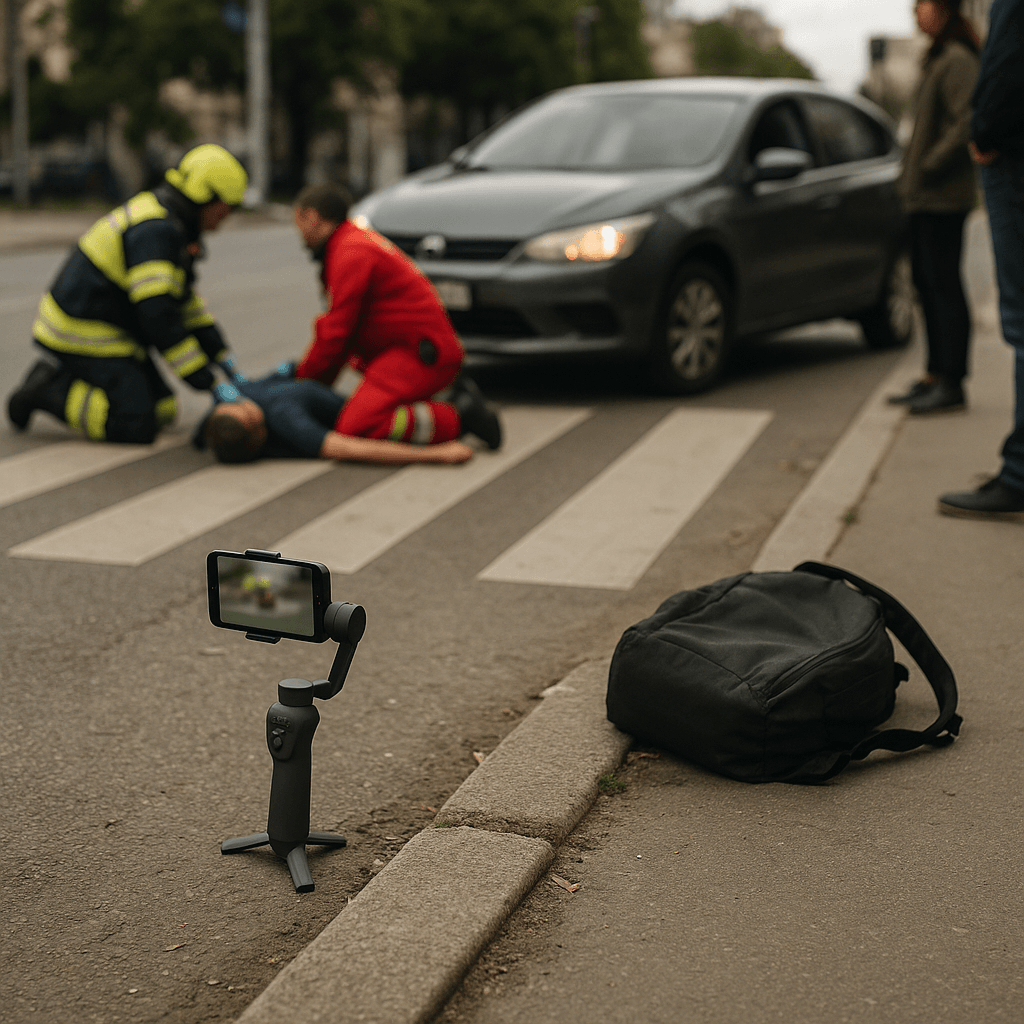
Isaiah Thomas, known online as hmblzayy, was livestreaming a 4,800-kilometre walking challenge when he was hit by a car. He later described the moment as feeling like slow motion. The incident matters because live creator stunts are no longer fringe entertainment; they are becoming higher-risk public spectacles with real-world consequences.
The deeper force is the attention economy. Endurance challenges, constant streaming and real-time audience engagement reward creators for staying visible, pushing limits and turning ordinary movement into monetised content. That pressure can blur the line between performance and personal safety, especially in uncontrolled public spaces like roads and crossings.

– Winner: Platforms and audiences that benefit from nonstop, high-intensity live content
– Loser: Creators carrying physical risk without the protections typical in professional productions
– What changes: Safety, liability and route planning around livestream challenges will face more scrutiny
Expect a sharper response over the next 12 months from platforms, sponsors and creator managers. More endurance streams will likely come with safety protocols, support vehicles, clearer route controls or insurance requirements as public incidents become harder to ignore.
So what does this mean for you? If you watch or build around creator content, treat live endurance stunts as operational productions, not spontaneous fun. Risk management, location awareness and safety support are rapidly becoming part of the business model.
Subscribe for daily intelligence briefs →
—
*AI-assisted content. Reviewed by ShortBulletin Editorial Team. | shortbulletin.com*