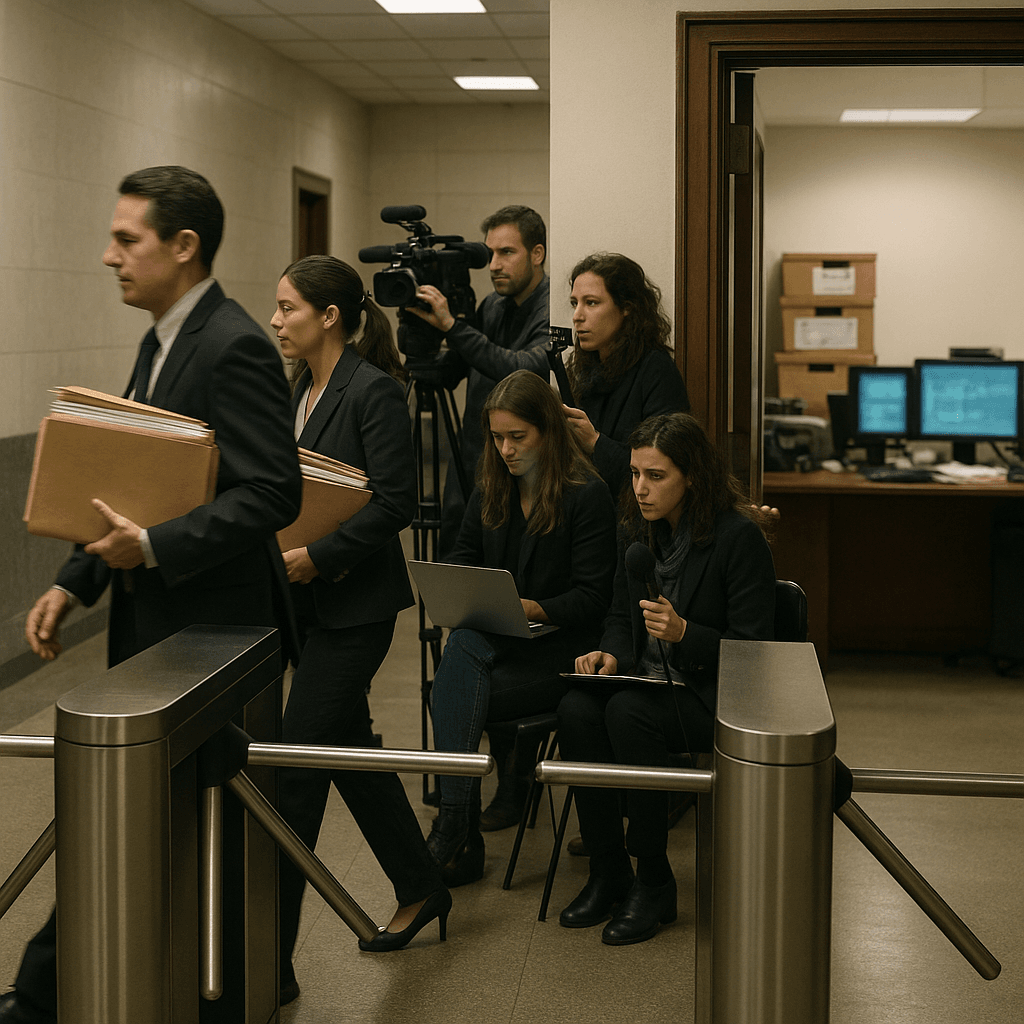
A major AI-related court case is landing at a moment when public patience with artificial intelligence is thinning across the US. That matters because this is no longer just a technology story. It is becoming a power story about who gets to set the limits on systems already moving through schools, workplaces, courts, and media.
The deeper force is political and social trust. AI firms moved fast on scale, data, and deployment, while lawmakers, judges, and the public are now asking whether speed outran consent. Trials like this become pressure valves: they translate broad unease over bias, labor displacement, copyright, safety, and surveillance into legal tests with enforceable outcomes.

– Winner: Regulators, plaintiffs, and rivals if the court narrows how AI can be trained, sold, or used.
– Loser: AI companies betting that public backlash would stay symbolic rather than become legal constraint.
– What changes: The center of gravity shifts from product launches to compliance, licensing, auditability, and liability.
Within 12 months, expect more lawsuits, tougher state-level rules, and a wider split between AI companies that can absorb legal overhead and smaller players that cannot. If this trial produces a clear precedent, procurement teams, insurers, and enterprise buyers will react faster than Congress.
So what does this mean for you? If you use, buy, or build AI tools, legal risk is now part of product risk. The winners from here may not be the fastest models, but the systems that can prove how they were trained, monitored, and controlled.
Subscribe for daily intelligence briefs →
—
*AI-assisted content. Reviewed by ShortBulletin Editorial Team. | shortbulletin.com*