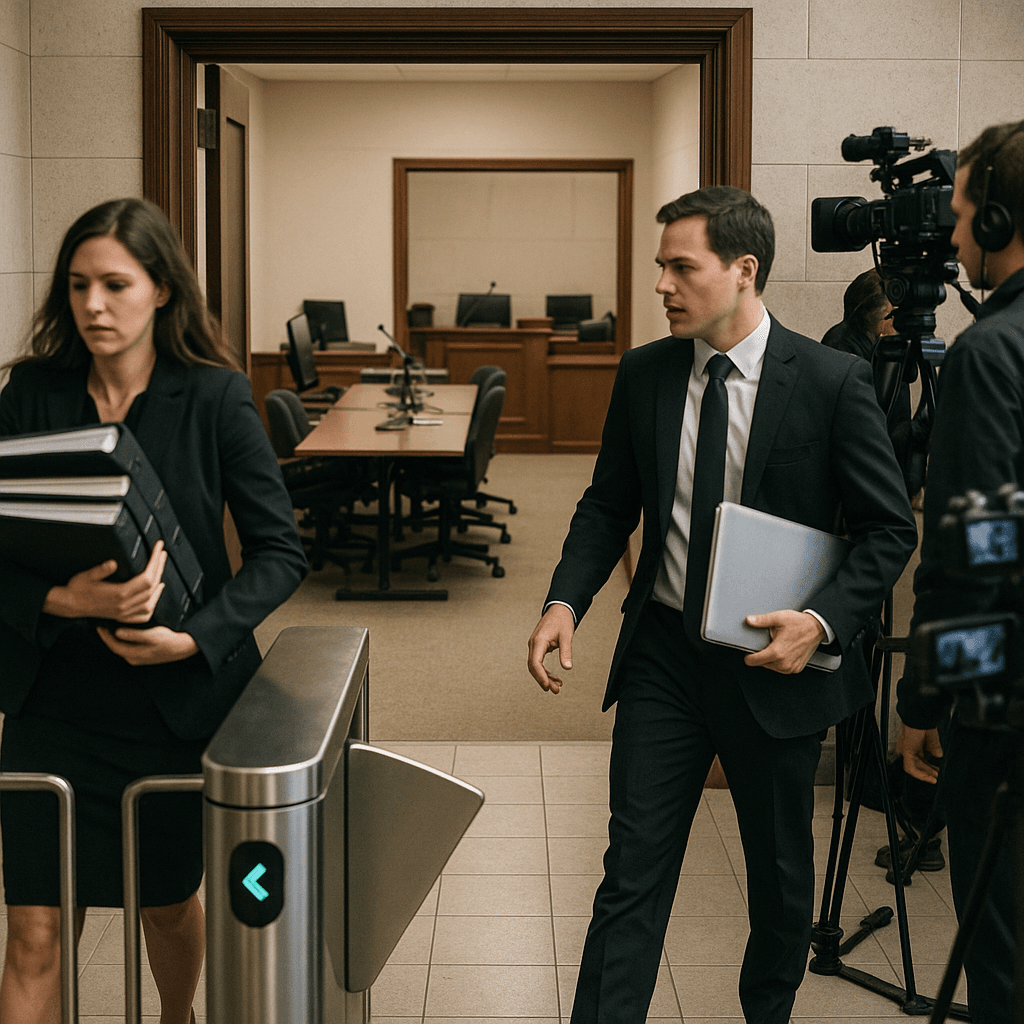
A courtroom fight over OpenAI is drawing in the biggest names in artificial intelligence, including Elon Musk and Sam Altman, with testimony expected over several weeks. This matters because the case reaches beyond personality clashes into who gets to control one of the world’s most influential AI institutions.
Under the headline drama is a deeper structural battle: whether mission-driven AI labs can shift into commercial powerhouses without breaking the promises that built trust, capital and talent. The trial is effectively testing the legal boundaries between nonprofit purpose, private profit and strategic control in the AI era.

– Winner: Rivals, investors and regulators looking for a clearer map of how AI power is governed
– Loser: Any company relying on vague governance language while raising massive capital and building strategic partnerships
– What changes: OpenAI’s internal decisions, partner relationships and future restructuring plans could face far tighter scrutiny
The likely next phase is bigger than this one courtroom. Over the next 6 to 12 months, expect more legal, regulatory and board-level pressure on AI companies to prove how authority, money and safety commitments actually fit together.
So what does this mean for you? If you build, invest in or depend on AI tools, governance is no longer background noise; it is product risk. The companies that win trust next will be the ones that can show not just capability, but control.
Subscribe for daily intelligence briefs →
—
*AI-assisted content. Reviewed by ShortBulletin Editorial Team. | shortbulletin.com*