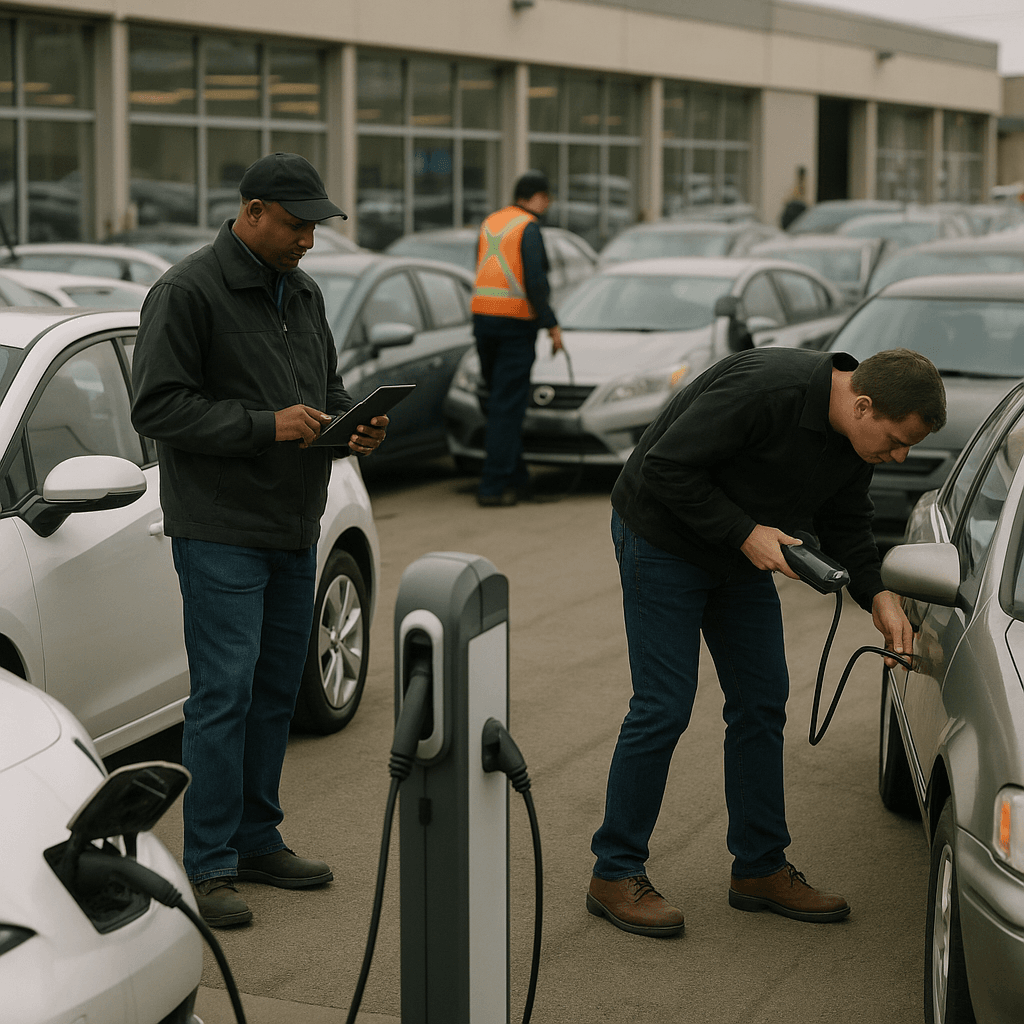
A large wave of electric car and truck leases is set to expire over the next three years, sending hundreds of thousands of battery-powered vehicles into the used market. That matters because high new EV prices have kept many buyers out, while lease returns could sharply expand access at lower price points.
The deeper force is simple: automakers and finance arms used aggressive leasing to move EV inventory when subsidies, uncertainty over battery life, and fast-changing technology made buyers hesitant. Now those vehicles are cycling back at the same time, creating a secondary market that barely existed at scale a few years ago.

– Winner: Used-car buyers, dealers with EV servicing capacity, and automakers that can build brand loyalty through affordable entry models.
– Loser: New EV pricing power, especially for older models with weaker range or slower charging.
– What changes: The EV market shifts from early-adopter economics to mainstream used-vehicle competition.
By 2027, expect used EV pricing to become one of the biggest demand drivers in the auto sector, especially in markets where charging networks and battery-health transparency improve. Dealers that can certify battery condition and explain ownership costs will have a clear edge.
So what does this mean for you? If you want an EV but new models feel too expensive, the next 24 to 36 months could offer far better value in the used market. Watch battery health, charging compatibility, and insurance costs before buying.
Subscribe for daily intelligence briefs →
—
*AI-assisted content. Reviewed by ShortBulletin Editorial Team. | shortbulletin.com*