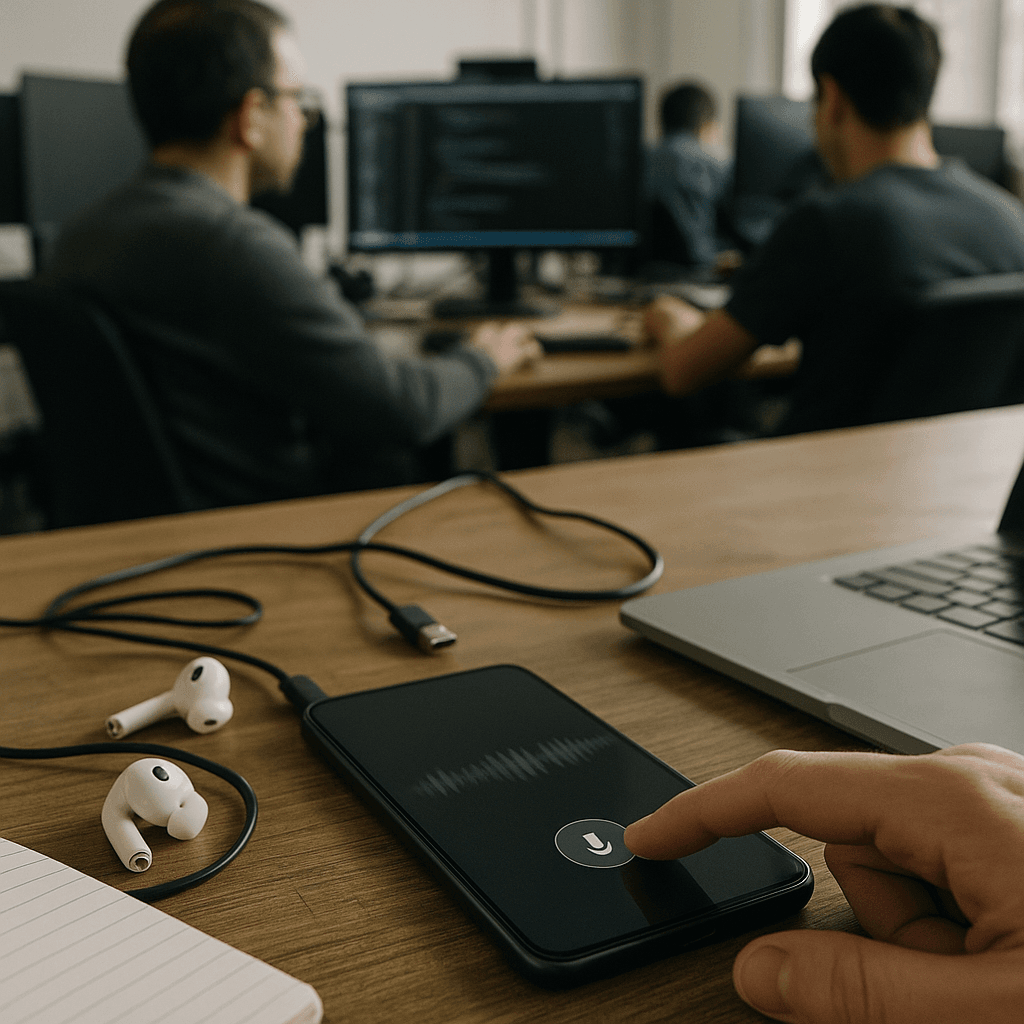
Nothing has introduced an AI-powered dictation tool that runs on-device and supports more than 100 languages. That matters because voice input is shifting from a convenience feature into a core interface layer, especially for messaging, notes and fast mobile workflows.
The deeper story is edge AI. More processing is moving from the cloud to the phone itself, cutting latency and reducing the privacy risk tied to sending voice data to remote servers. For smartphone makers, this is also a way to stand out when hardware upgrades alone no longer feel transformative.

– Winner: Users who want faster voice input, broader language support and more privacy.
– Loser: Cloud-dependent voice services that rely on constant data flow and centralised processing.
– What changes: AI competition is moving into everyday phone functions, not just headline chatbot features.
Within the next 12 months, expect more Android device makers to market on-device language and productivity tools as standard, not premium extras. The next battleground will be accuracy in noisy environments, multilingual switching and battery efficiency.
So what does this mean for you? Your smartphone is becoming a more capable local AI device, which means faster features with less dependence on the internet. If you work across languages or travel often, dictation quality may now influence which phone ecosystem you choose.
Subscribe for daily intelligence briefs →
—
*AI-assisted content. Reviewed by ShortBulletin Editorial Team. | shortbulletin.com*