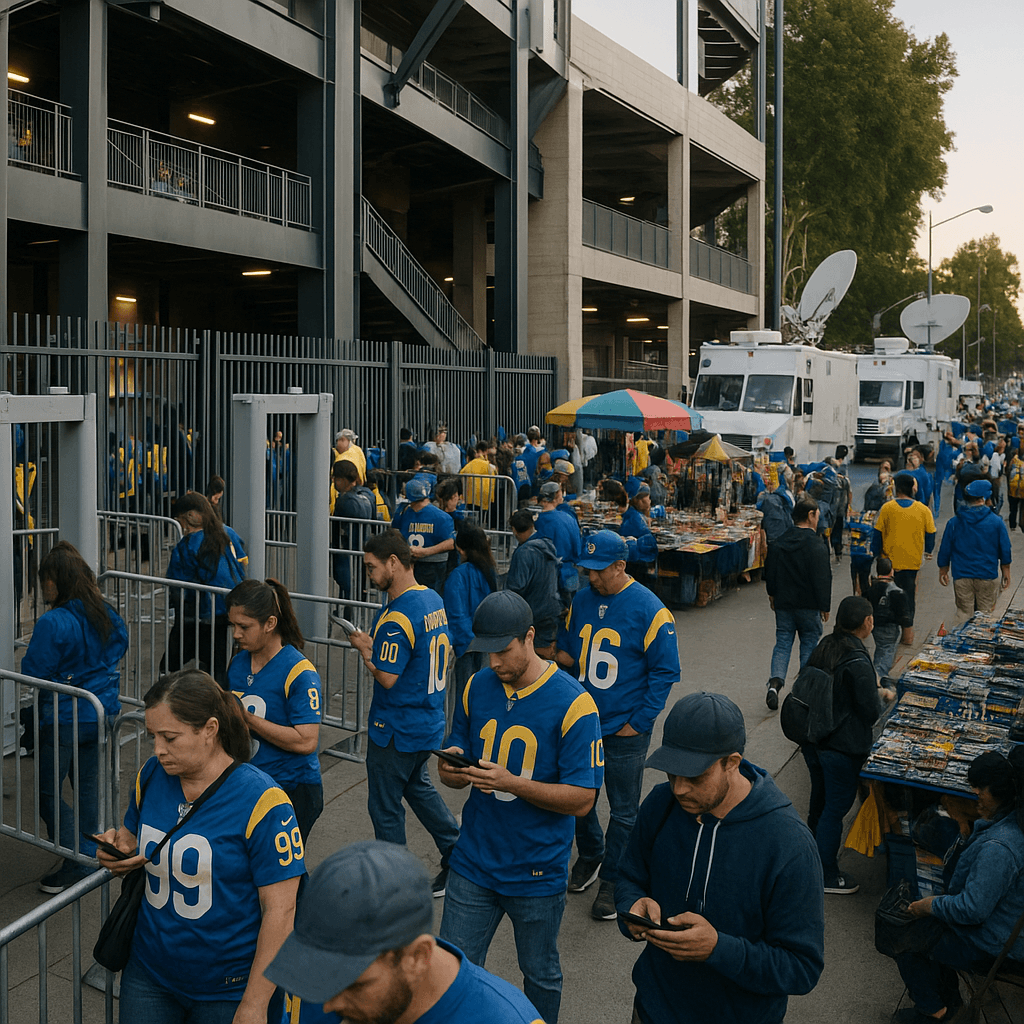
USA vs Paraguay, one of the cohosts’ opening World Cup matches in Los Angeles, still has unsold tickets despite asking prices ranging from about €1,030 to €5,570. That matters because opening games are supposed to signal peak demand, not pricing resistance.
The deeper issue is sports revenue engineering. Mega-events increasingly lean on premium inventory, dynamic pricing and hospitality-heavy sales to maximize yield per seat, but that model breaks when local fans, traveling supporters and casual buyers hit different affordability limits at the same time.

– Winner: Organizers and premium resellers if high-end buyers still convert late.
– Loser: Ordinary fans priced out of the stadium experience and atmosphere.
– What changes: The tournament mood shifts from scarcity hype to a live stress test of how much the market will actually pay.
Expect pricing pressure to intensify before kickoff, with secondary sellers and official channels likely forced to adjust if inventory lingers. Los Angeles is a warning shot: even a global event cannot ignore local price elasticity forever.
So what does this mean for you? If you are planning to attend, late buying could create leverage as sellers react to weak sell-through. If you are watching the broader market, this is a preview of how major sports events may overreach on price before demand resets the model.
Subscribe for daily intelligence briefs →
—
*AI-assisted content. Reviewed by ShortBulletin Editorial Team. | shortbulletin.com*