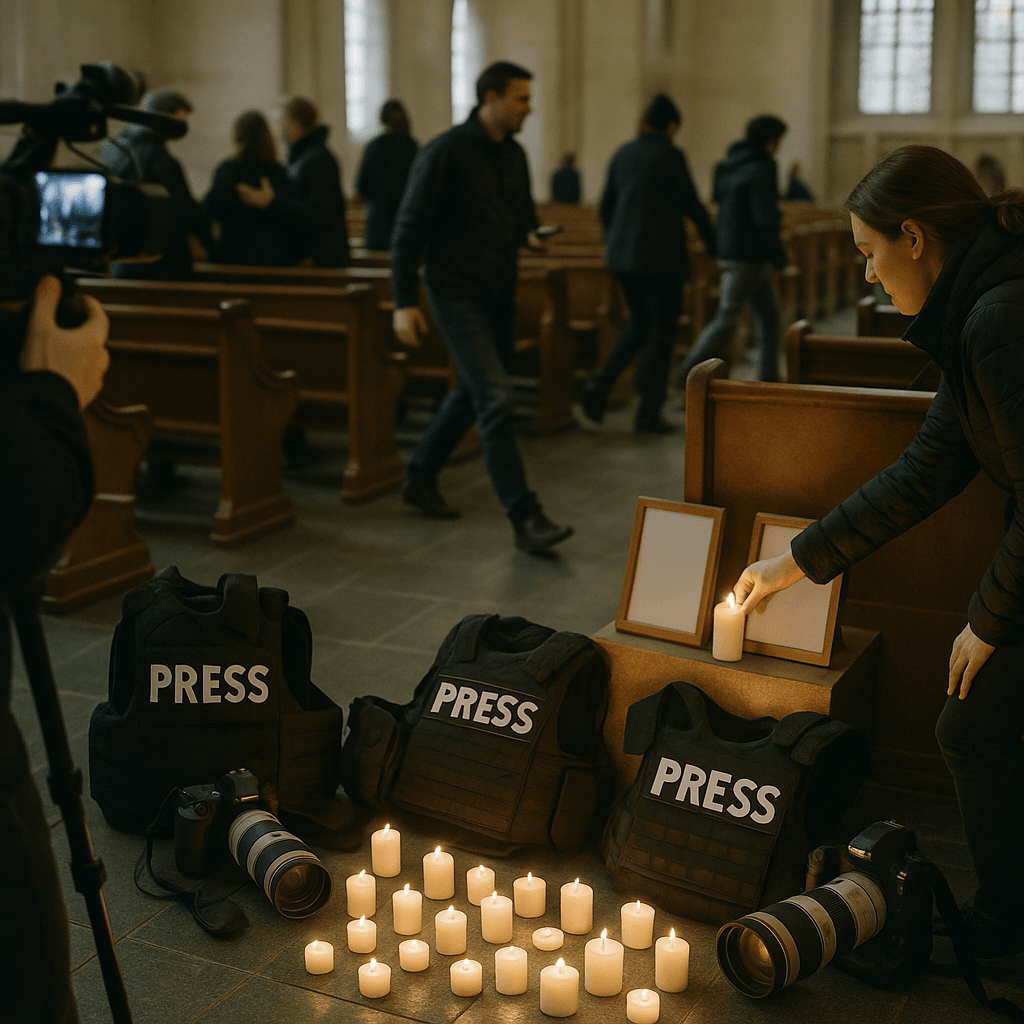
Pope Leo XIV marked World Press Freedom Day by asking Catholics worldwide to remember journalists killed while reporting from war zones. The message matters because it places press freedom inside the moral debate over conflict, truth, and civilian protection.
Behind the tribute is a harder reality: modern war makes independent reporting more dangerous, more expensive, and more politically contested. Journalists are no longer just observers in many conflict zones; they are increasingly treated as operational risks, propaganda threats, or expendable witnesses.
– Winner: Press freedom advocates and families demanding recognition for fallen reporters.
– Loser: Armed actors and governments that benefit when fewer independent witnesses remain on the ground.
– What changes: The public case for stronger protections, legal accountability, and safer access for frontline reporting gains new visibility.
Expect renewed pressure in 2026 from media rights groups, religious institutions, and international bodies for better enforcement of journalist protections in conflict areas. Symbolic support alone is unlikely to satisfy watchdogs as deaths and threats continue.
So what does this mean for you? Reliable news from war zones exists because someone accepts extreme personal risk to gather it. Every time independent reporting disappears, propaganda gets cheaper, faster, and harder to challenge.
Subscribe for daily intelligence briefs →
—
*AI-assisted content. Reviewed by ShortBulletin Editorial Team. | shortbulletin.com*