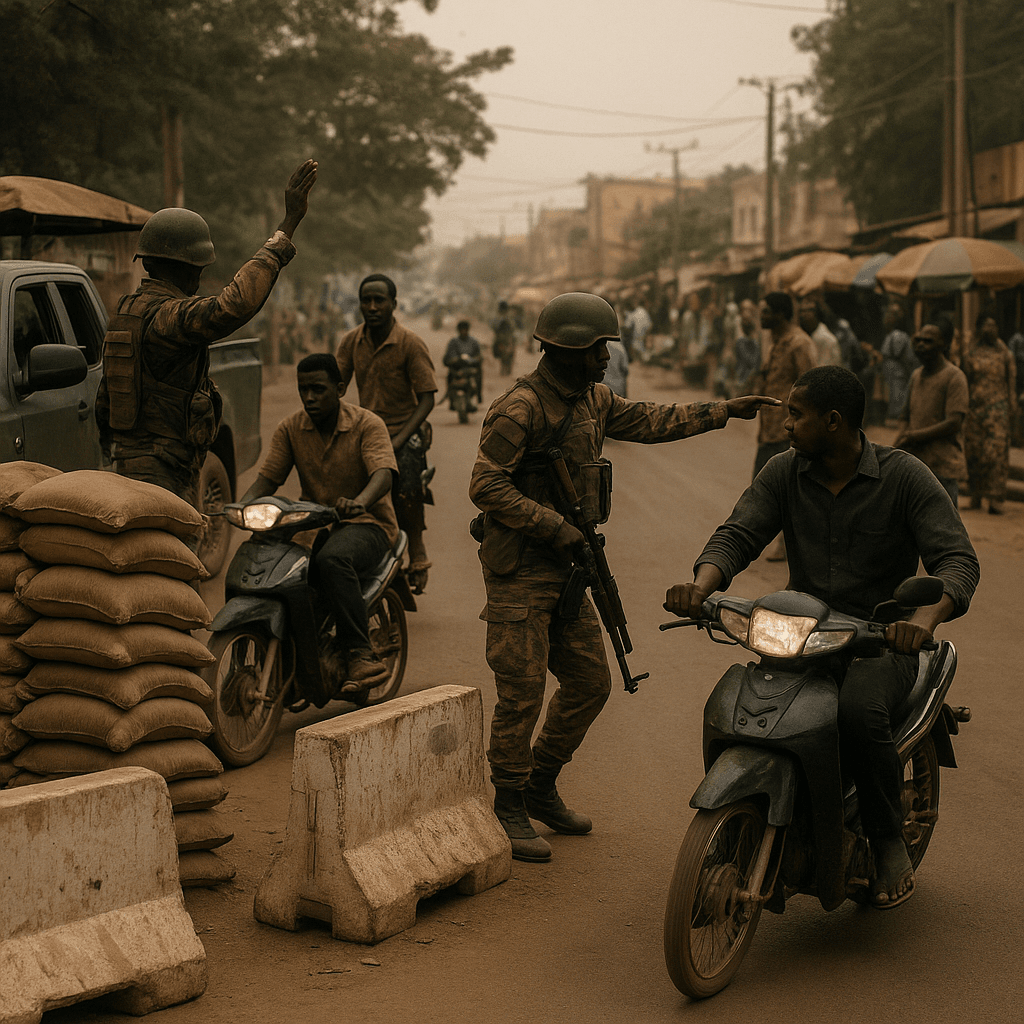
Mali’s slide began in 2012, when a military coup in Bamako collided with a Tuareg rebellion and a jihadist advance in the north. What followed was not one crisis but a chain reaction: elections, peace deals, foreign interventions, more coups in 2020 and 2021, and a worsening security vacuum that now defines the state.
The deeper mechanism is institutional erosion. Weak civilian control, unresolved regional grievances, poverty, and the spread of armed groups created a system where every shock fed the next one. International missions slowed collapse at times, but they never fixed the core fracture between central power and peripheral insecurity.
– Winner: Military rulers consolidating control in Bamako
– Loser: Civilians facing violence, displacement, and shrinking political space
– What changes: Mali has shifted from democratic benchmark to junta-led state with fewer Western security ties and growing reliance on alternative partners
By the next few years, Mali is likely to remain unstable unless security gains are matched by political inclusion and functioning local governance. The key actor is not just the army, but whether regional and international partners can still influence a leadership that has turned inward while armed groups adapt fast.
So what does this mean for you? Mali is a warning that democracy can unravel gradually, then suddenly, when security crises outpace institutions. It also shows how geopolitical exits create space for new power brokers, with consequences far beyond one border.
Subscribe for daily intelligence briefs →
—
*AI-assisted content. Reviewed by ShortBulletin Editorial Team. | shortbulletin.com*