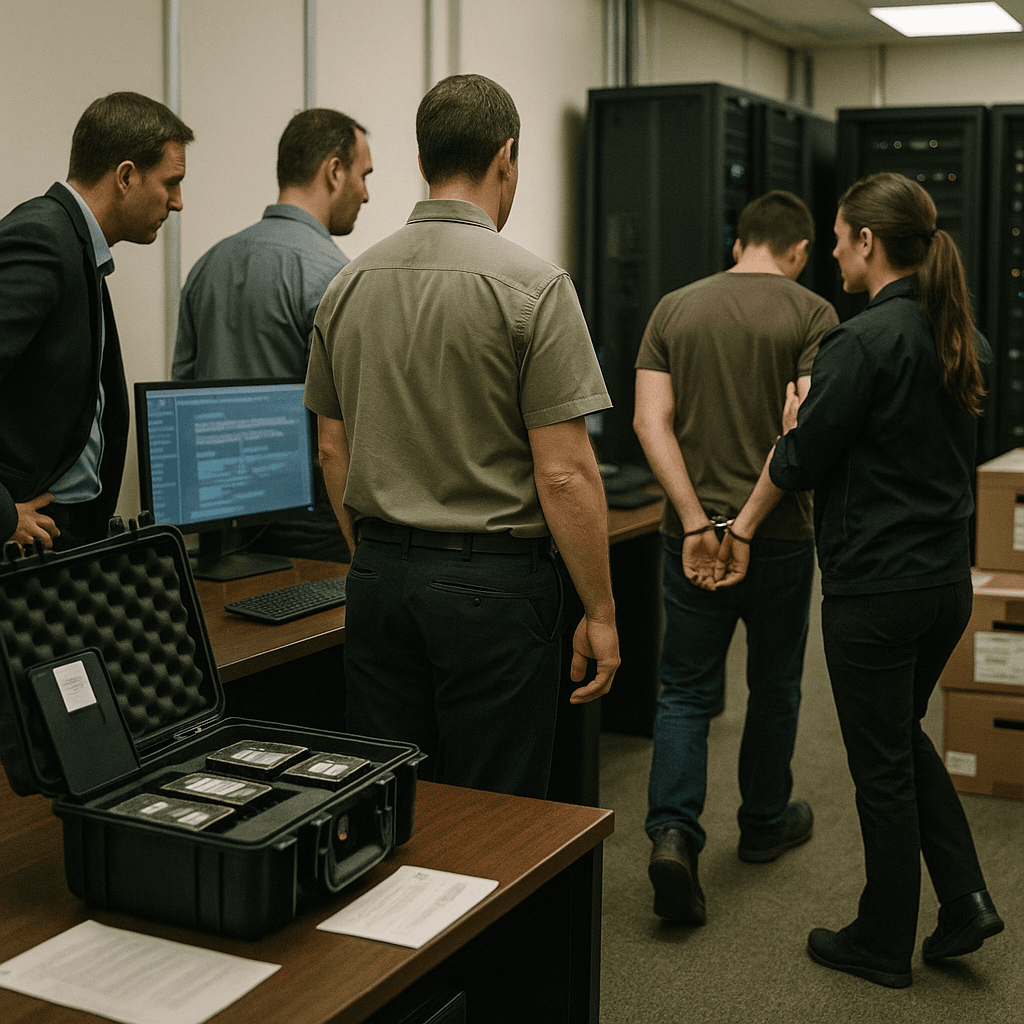
Xu Zewei, accused by U.S. authorities of helping a China-backed hacking group breach thousands of American organisations and steal COVID-19 research, has been extradited to the United States. This matters because the case turns an old cyber-espionage pattern into a live legal confrontation, with one alleged operator now inside the U.S. justice system.
The deeper force here is geopolitical competition over data, science and strategic advantage. Pandemic-era research was not just public health infrastructure; it was economic leverage, diplomatic influence and national security capital. Extraditions like this are meant to raise the cost of state-linked hacking by moving beyond sanctions and indictments on paper.

– Winner: U.S. prosecutors and agencies pushing deterrence through real-world arrests
– Loser: Alleged state-backed cyber teams that relied on distance and jurisdiction gaps
– What changes: Cyber operations tied to governments face greater travel risk, tighter law-enforcement coordination and more exposure
Within 12 months, expect more coordinated cyber cases between the U.S. and allied governments, especially where health, defence and university networks overlap. The message to suspected operators is simple: crossing borders is becoming more dangerous than launching attacks from behind a keyboard.
So what does this mean for you? If your organisation handles research, health data or intellectual property, cyber risk is now part of geopolitical risk, not just IT hygiene. Expect tougher security requirements, more scrutiny of cross-border access and faster escalation when sensitive systems are touched.
Subscribe for daily intelligence briefs →
—
*AI-assisted content. Reviewed by ShortBulletin Editorial Team. | shortbulletin.com*