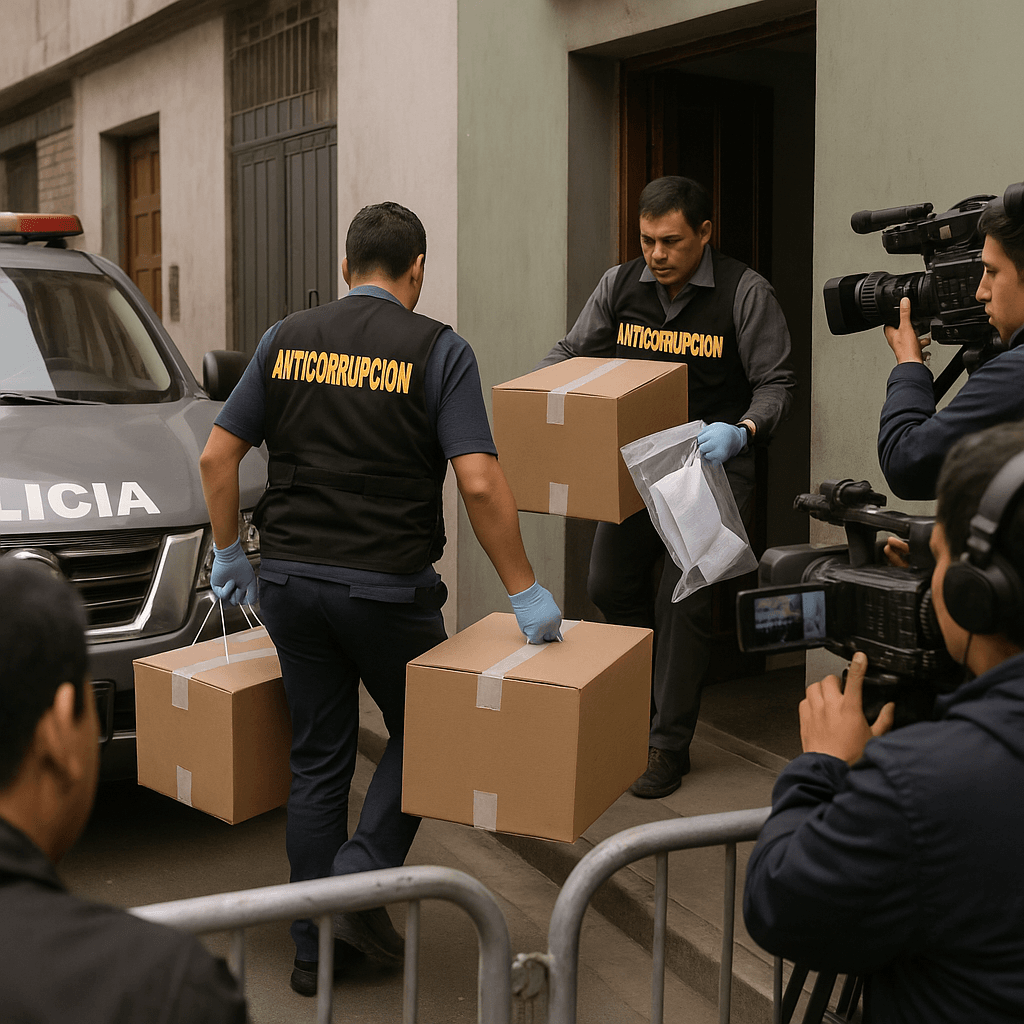
Peru’s anticorruption police raided the homes of former election office chief Piero Corvetto and other officials after public outrage over the slow counting of votes. What began as frustration over delays is now a state power move, because election credibility is the machinery behind political legitimacy.
The deeper force here is institutional fragility. In polarized democracies, slow or opaque vote tabulation no longer looks like bureaucracy alone; it becomes fuel for suspicion, legal escalation, and pressure campaigns against the very bodies meant to certify results. Once trust drops, every administrative delay starts to look like a political act.

– Winner: Political actors pushing for accountability or leverage over election authorities
– Loser: Peru’s electoral institutions, now under direct reputational and legal pressure
– What changes: The dispute shifts from a technical counting problem to a broader fight over who controls the narrative of democratic legitimacy
Expect this to widen over the coming days as investigators, political blocs, and election officials battle over process, evidence, and public trust. The bigger risk is not just one delayed count; it is a future where every close election in Peru arrives preloaded with institutional distrust.
So what does this mean for you? If you track Latin America, this is a signal that political risk can emerge from administrative weakness as fast as from ideology. For citizens, investors, and businesses, election systems themselves are now part of the risk map.
Subscribe for daily intelligence briefs →
—
*AI-assisted content. Reviewed by ShortBulletin Editorial Team. | shortbulletin.com*