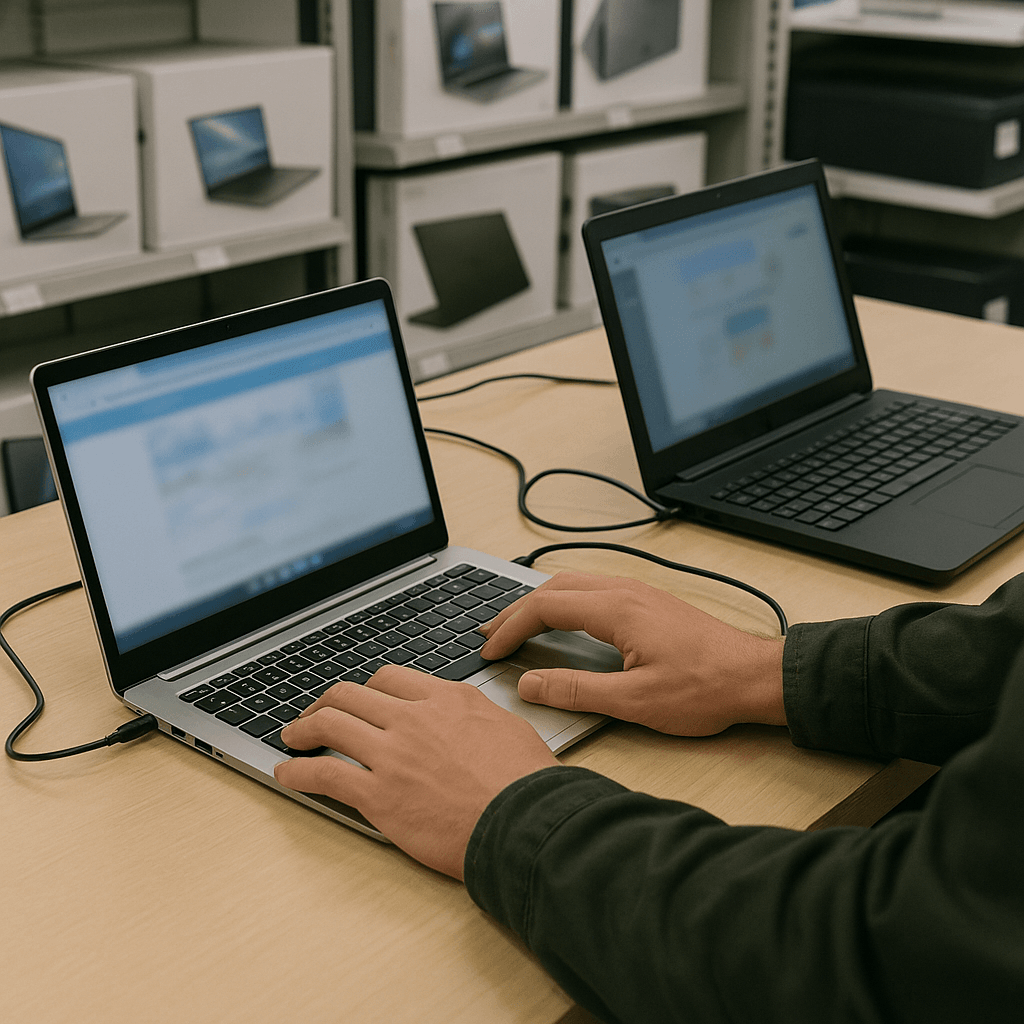
Chromebooks still carry the low-end stigma, but that reputation is increasingly outdated. A handful of 2026 models now offer strong displays, solid keyboards, all-day batteries and enough performance for students, remote workers and budget-conscious buyers who do not need a full traditional laptop.
The real shift is not ChromeOS itself. It is hardware stratification. Manufacturers are no longer treating every Chromebook as a race to the bottom. Better processors, brighter panels and sturdier chassis are appearing in select models, while the worst machines remain trapped in ultra-cheap retail channels built around price, not usability.

– Winner: Buyers who want dependable computing without paying premium Windows or Mac prices.
– Loser: Brands still pushing flimsy, underpowered Chromebooks that reinforce the category’s bad name.
– What changes: The Chromebook market is splitting into disposable entry devices and genuinely capable everyday machines.
By late 2026, expect the gap to widen further. The best Chromebook makers will lean into “good enough” computing with better design and longer support, while weak models will survive mainly as low-cost bulk purchases for schools and promotions.
So what does this mean for you? Ignore the Chromebook label and judge the machine: screen, keyboard, battery, build and update support matter more than hype. If your workload lives in the browser, the right Chromebook can be the smartest low-cost laptop buy available.
Subscribe for daily intelligence briefs →
—
*AI-assisted content. Reviewed by ShortBulletin Editorial Team. | shortbulletin.com*