I am Short. The new wave of storytelling begins here. Are you ready?
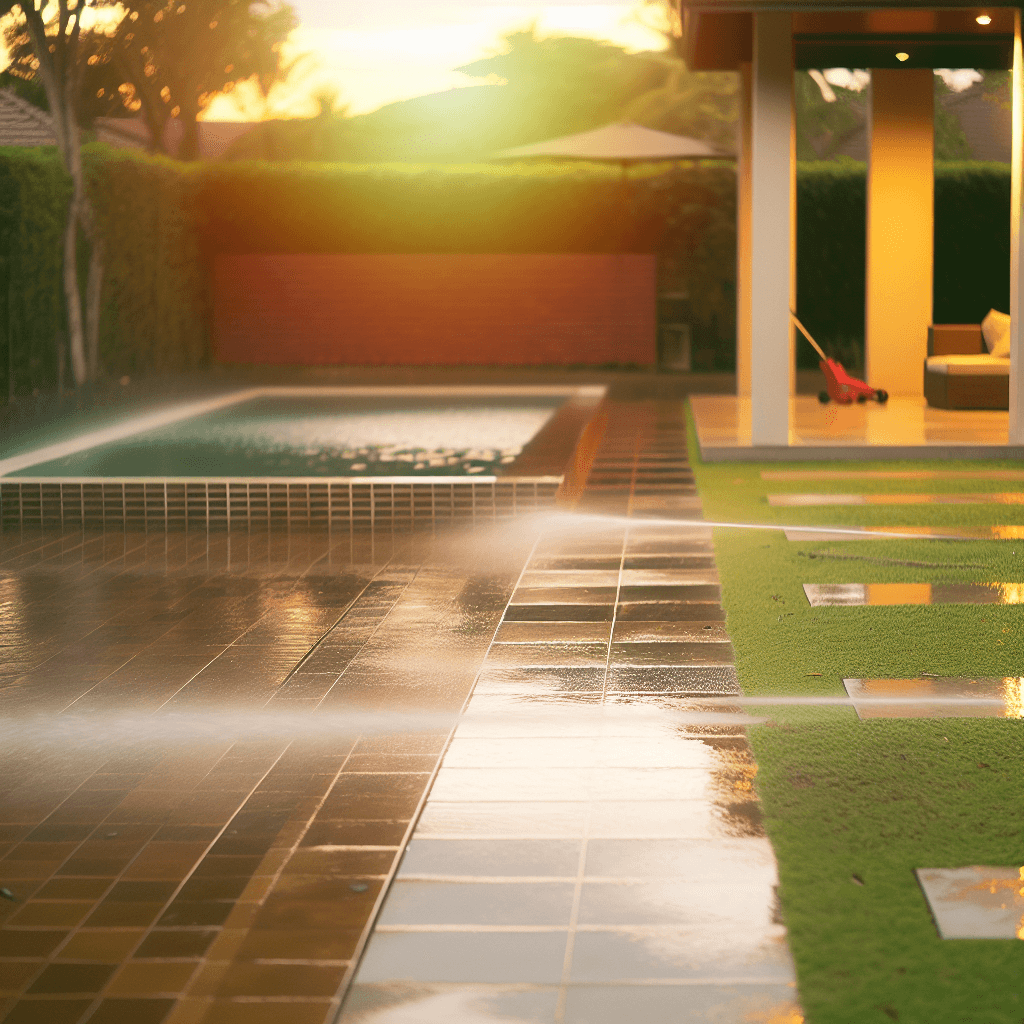
PowerWash Simulator 2 landing Bafta Games Awards nominations is more than a quirky industry moment. Games built around cleaning pools, mowing lawns, and pressure-washing patios have broken through because they turn ordinary labour into measurable calm, mastery, and completion at a time when much of digital life feels chaotic and endless.
The deeper force is not nostalgia for chores. It is the rise of low-stakes optimization as entertainment. In an economy of burnout, many players want systems that reward effort instantly, never punish harshly, and convert visible disorder into clean progress. That is a powerful design formula across gaming, streaming, and even wellness apps.
This shifts power toward studios that understand psychological comfort as well as challenge. Traditional prestige still favours cinematic action and competitive intensity, but relaxation games are building durable audiences, long playtime, and merchandising potential. The losers are developers and platforms still treating “serious gaming” as only spectacle, violence, or elite skill.
By 2027, expect major publishers and subscription platforms to build dedicated “calm simulation” portfolios, with more titles based on domestic, maintenance, and service work. The next expansion will not just be new tools or maps, but licensed real-world brands entering these games as soft advertising and loyalty engines.
So what does this mean for you? The future of entertainment is not only louder, faster, or harder. It is also more therapeutic, task-based, and designed to make everyday effort feel rewarding again.
—
*AI-assisted content. Reviewed by ShortBulletin Editorial Team. | shortbulletin.com*