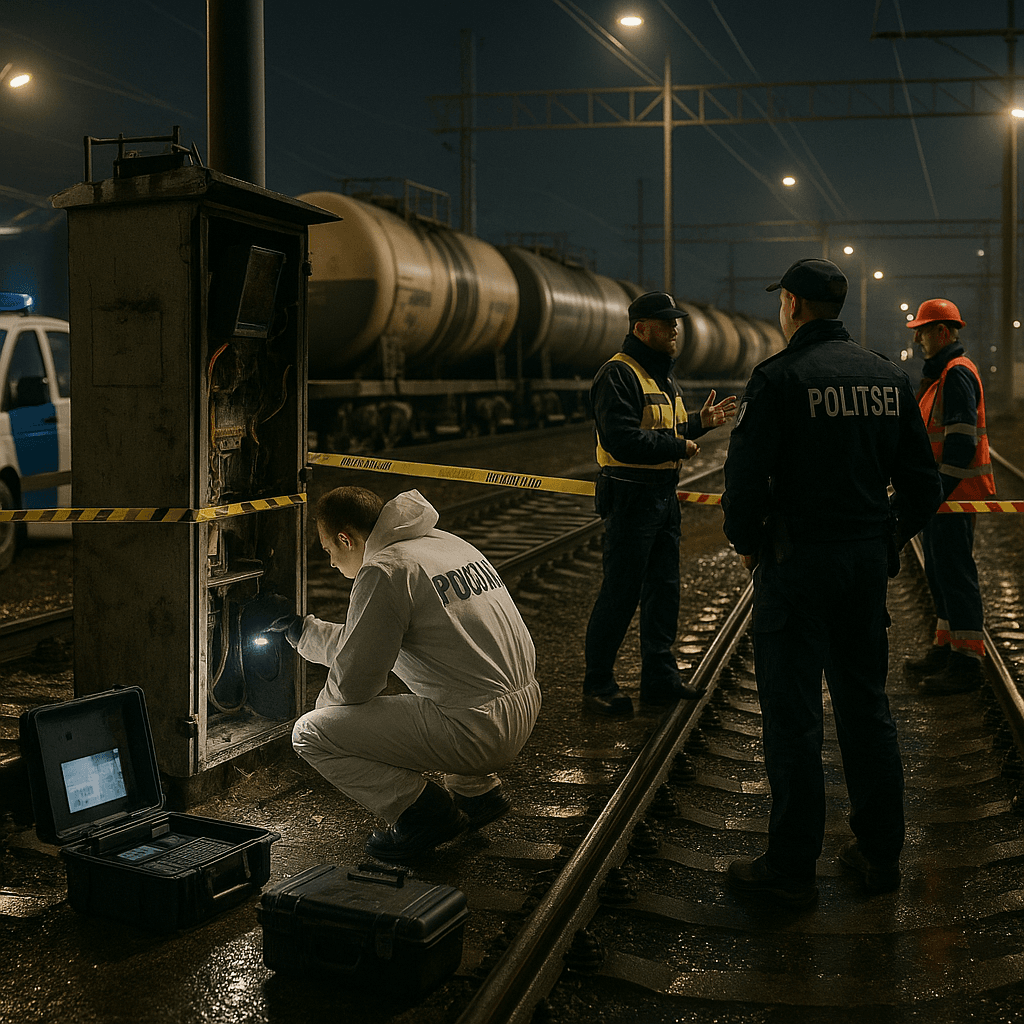
Estonia’s intelligence leadership is urging European governments to prosecute Russian-sponsored saboteurs more aggressively, arguing that Moscow is using recruited locals and proxies to carry out attacks across the continent. The warning matters because these operations are cheap, deniable, and designed to test how far European states will go to defend internal security.
The deeper mechanism is strategic asymmetry. Russia does not need major military escalation to create pressure inside Europe; it can rely on covert recruitment, criminal networks, and vulnerable individuals to target infrastructure, logistics, and public confidence. If prosecutions stay inconsistent across borders, the deterrent remains weak and the operating cost for sabotage stays low.

– Winner: Russia, if fragmented enforcement lets low-cost disruption continue
– Loser: European states forced to absorb repeated security shocks
– What changes: Counter-sabotage is shifting from intelligence monitoring to coordinated legal and judicial action
Expect a tighter European response within the next 12 months: more cross-border investigations, harsher sentencing, and wider scrutiny of proxy networks tied to Moscow. The next battleground will not just be espionage detection, but whether governments can prove links, share evidence fast, and convict before attacks scale.
So what does this mean for you? Expect stronger security checks around transport, energy sites, and public infrastructure, plus tougher policing of suspicious networks. For businesses, especially in logistics and utilities, resilience planning is no longer optional operational hygiene but part of geopolitical risk management.
Subscribe for daily intelligence briefs →
—
*AI-assisted content. Reviewed by ShortBulletin Editorial Team. | shortbulletin.com*