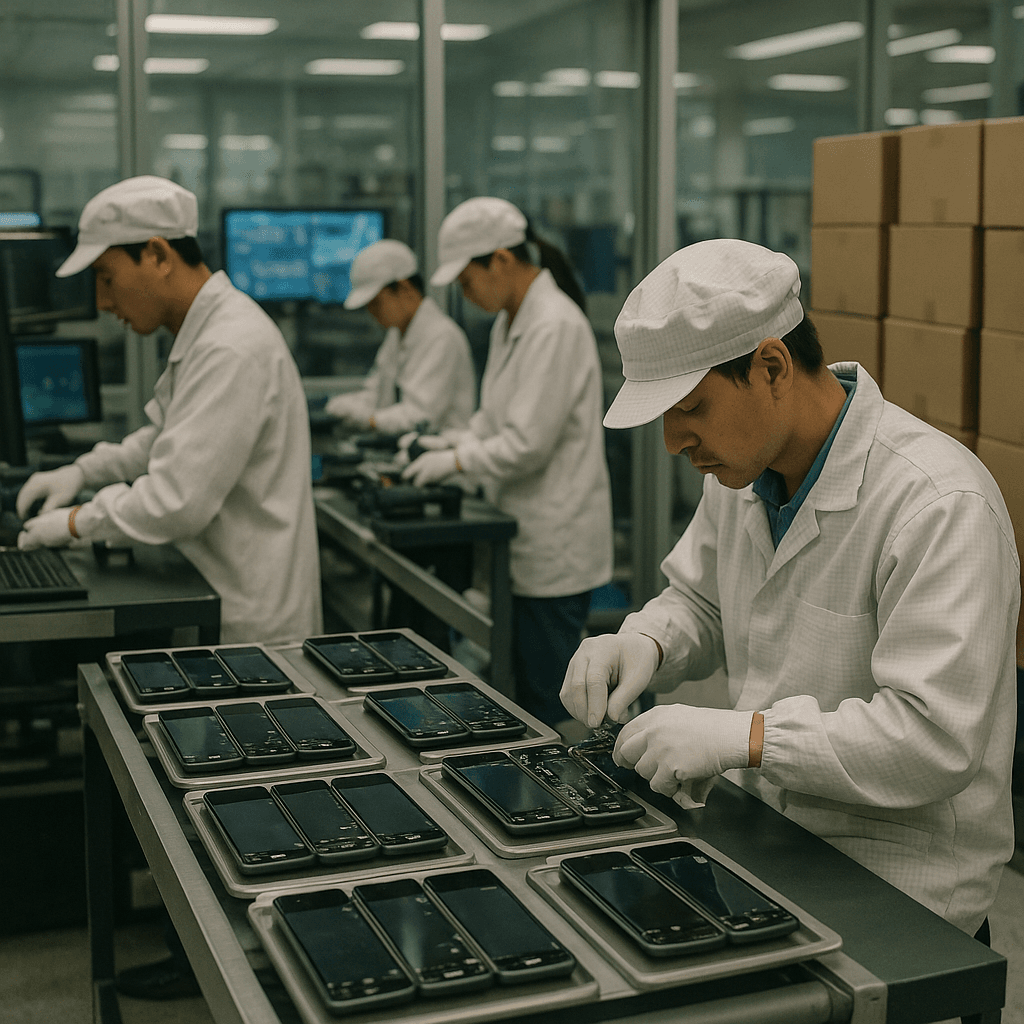
Apple reported a 17% jump in sales, powered mainly by stronger iPhone demand, giving investors a fresh signal that its core hardware engine remains highly effective. The moment also mattered because John Ternus, set to take over in September, spoke publicly on an investor call for the first time since the leadership change was announced.
The deeper story is not just product momentum. Apple’s advantage comes from a system that turns premium devices, services, and upgrade cycles into repeat cash flow at scale. Even as the market watches AI and new devices, the company is still extracting extraordinary value from a mature product category many rivals struggle to monetize consistently.

– Winner: Apple shareholders, suppliers tied to iPhone production, and the incoming leadership team.
– Loser: Hardware rivals hoping Apple’s smartphone dominance was weakening.
– What changes: The market now sees continuity, not disruption, in Apple’s transition to its next operating era.
By late 2026, the pressure on Apple will shift from proving demand to proving expansion. Ternus will likely be judged less on whether iPhones can still sell and more on whether Apple can convert that installed base into a broader next-wave revenue story.
So what does this mean for you? If you invest, watch Apple’s margins and services attachment more closely than raw unit sales. If you compete in consumer tech, assume the smartphone market is still brutally shaped by ecosystem power, not just device features.
Subscribe for daily intelligence briefs →
—
*AI-assisted content. Reviewed by ShortBulletin Editorial Team. | shortbulletin.com*