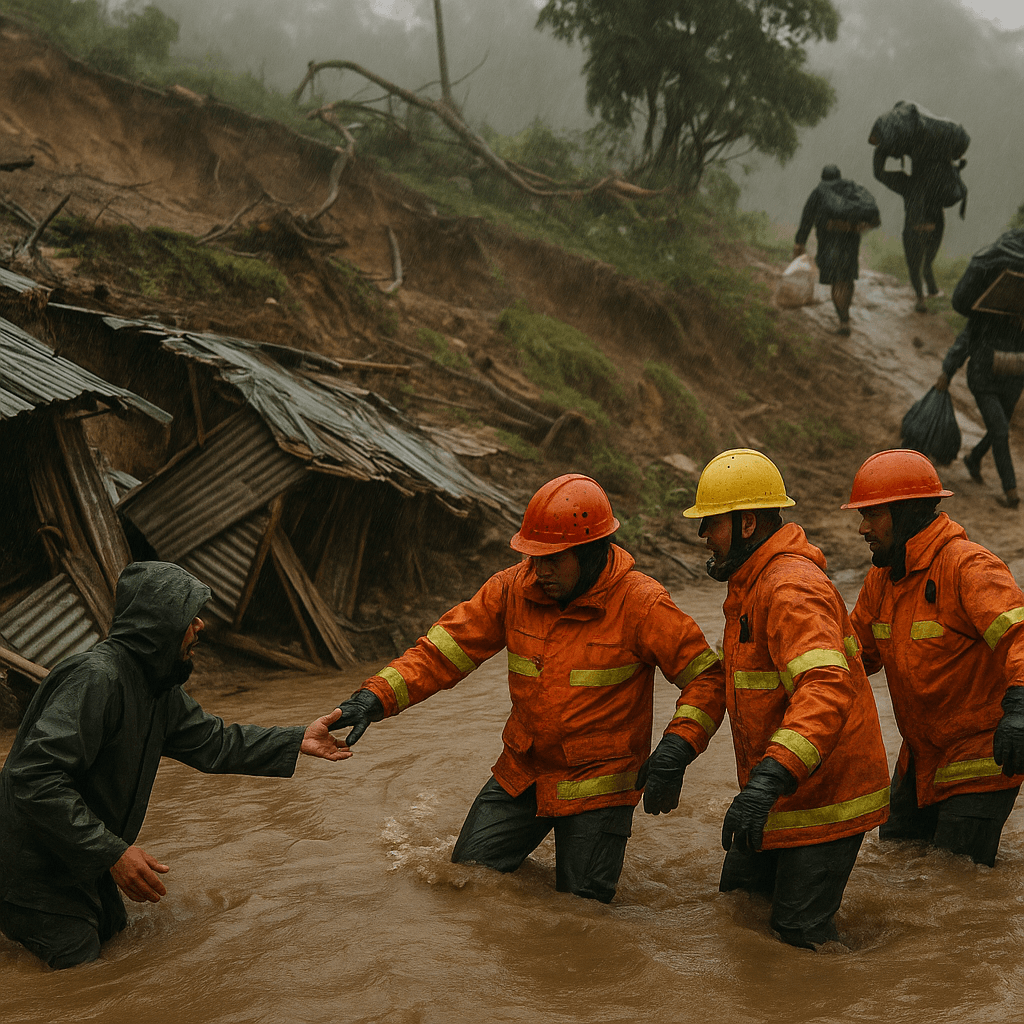
At least 18 people have died in Kenya as prolonged heavy rains triggered floods and landslides, sweeping through homes, roads and low-lying communities. This matters because the damage is not isolated: it exposes how quickly seasonal rain can become a national emergency when infrastructure and settlement patterns are under stress.
The deeper force is vulnerability layered on top of extreme weather. Rapid urban growth, drainage failures, deforestation on unstable slopes and housing built in flood-prone areas turn intense rain into a multiplier of risk, especially when warning systems and emergency response capacity are stretched.

– Winner: Emergency response agencies and aid networks that can move fast on rescue and relief
– Loser: Households in informal settlements, rural communities on unstable land and transport links hit by washouts
– What changes: Disaster management moves from seasonal concern to urgent policy test for land use, drainage and climate resilience
Within days to weeks, Kenyan authorities will likely face sharper pressure to expand evacuations, reopen blocked transport routes and harden flood-prone infrastructure. If rains continue, the crisis could shift from immediate fatalities to displacement, waterborne disease risk and broader supply disruption.
So what does this mean for you? Climate shocks are increasingly local, physical and fast-moving, even when they begin as routine weather alerts. Watch how governments manage drainage, housing and emergency planning, because resilience gaps now shape economic and human outcomes alike.
Subscribe for daily intelligence briefs →
—
*AI-assisted content. Reviewed by ShortBulletin Editorial Team. | shortbulletin.com*