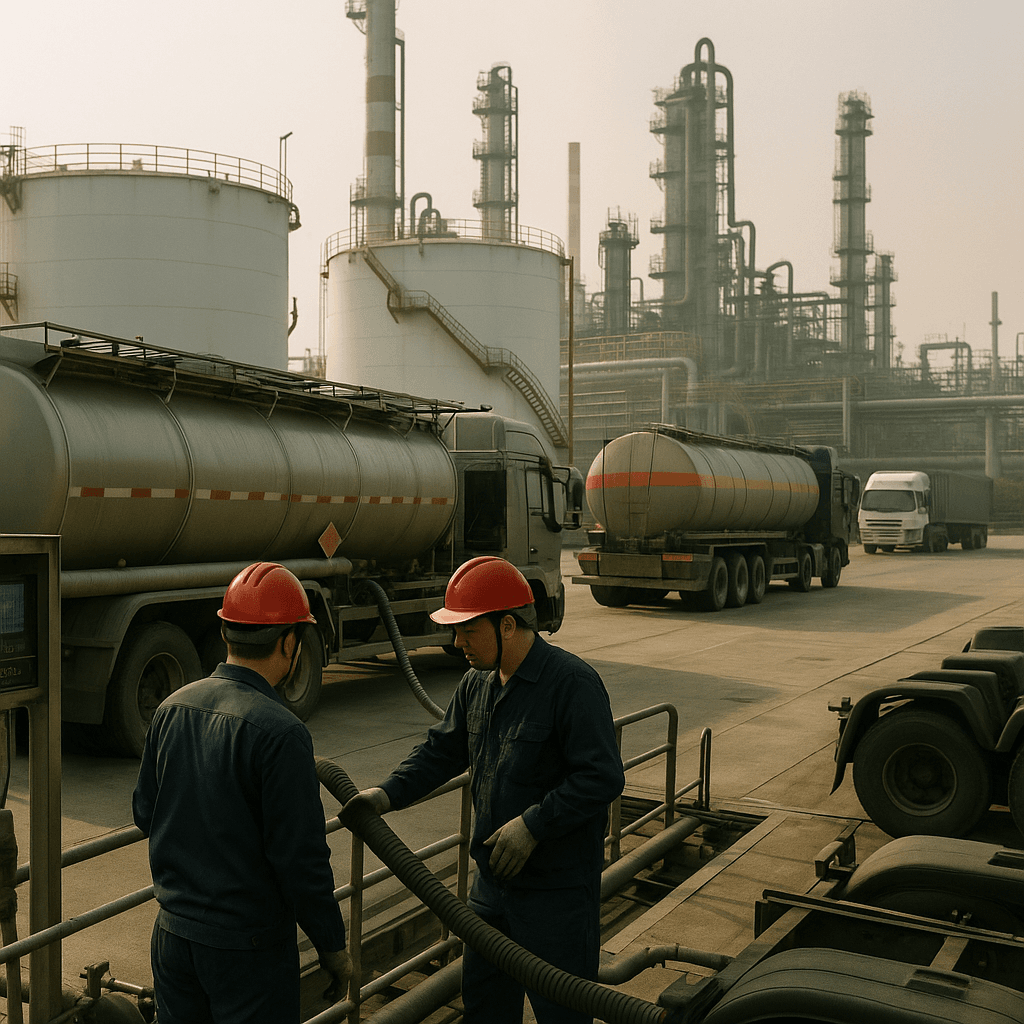
Washington’s decision to sanction a major Chinese private refiner over alleged Iran-linked oil trade is more than a diplomatic warning shot. It hits the financing, shipping, insurance and feedstock access that keep China’s independent “teapot” refining system running — and that matters because these plants sit deep inside regional manufacturing and petrochemical supply chains.
The real mechanism is not just oil. Sanctions work by making every supporting service more expensive or unavailable: tanker access, payment channels, trading intermediaries and risk coverage. For teapot refiners already squeezed by weak margins, soft demand and overcapacity, even a small increase in friction can turn cheap crude into operational pain across plastics, chemicals and transport fuels.

– Winner: Larger state-backed players and compliant suppliers with cleaner access to finance and shipping.
– Loser: Independent refiners, linked traders, smaller chemical producers and logistics firms exposed to disrupted crude flows.
– What changes: Feedstock sourcing becomes more political, working capital gets tighter, and discounts on sanctioned barrels come with much higher execution risk.
By late 2026, expect more Chinese private refiners to diversify supply, reduce visible exposure to sanctioned crude and consolidate if margins stay thin. The bigger shift is strategic: energy trade is becoming less about price discovery and more about sanction resilience, legal structure and geopolitical alignment.
So what does this mean for you? If you track manufacturing, commodities or Asia supply chains, watch input costs and refinery run rates, not just headline oil prices. The next shock may show up first in chemicals, plastics and freight contracts before it appears at the fuel pump.
Subscribe for daily intelligence briefs →
—
*AI-assisted content. Reviewed by ShortBulletin Editorial Team. | shortbulletin.com*