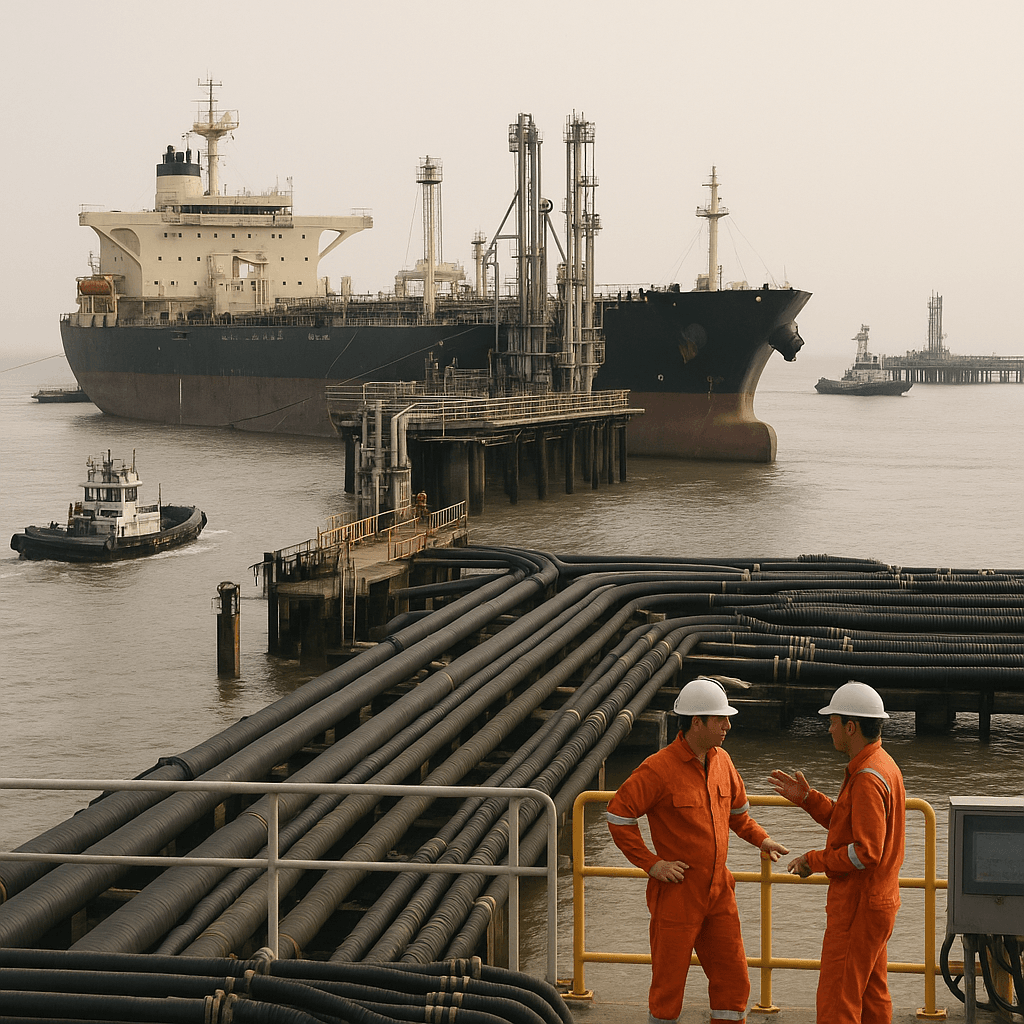
Persian Gulf producers are pumping about 14.5 million barrels per day less than before the war, according to Goldman Sachs, leaving regional output roughly 57% below previous levels this month. That matters because this is not a minor interruption: it is a major supply shock hitting one of the world’s most important energy corridors.
The deeper force is not just damaged output. It is the slow mechanics of restarting oil systems in a conflict zone: field operations, export terminals, shipping insurance, crew availability, and political risk all have to realign before barrels move again. Even if hostilities ease, Goldman says a meaningful recovery would still take months.

– Winner: Higher-cost producers outside the Gulf, shipping firms charging risk premiums, and traders positioned for volatility.
– Loser: Oil-importing economies, energy-intensive industries, and consumers facing higher fuel and freight costs.
– What changes: Energy security moves back to the center of economic strategy, and spare capacity becomes more valuable than headline reserves.
The next phase is likely to be a prolonged adjustment, not a sudden rebound. Over the coming months, expect governments, refiners, and large buyers to diversify supply contracts more aggressively while markets price in a longer-lasting geopolitical premium.
So what does this mean for you? Expect energy prices, transport costs, and inflation pressure to stay more fragile than markets hoped. If your business depends on fuel, shipping, plastics, or imported goods, this is the moment to review exposure before volatility spreads further.
Subscribe for daily intelligence briefs →
—
*AI-assisted content. Reviewed by ShortBulletin Editorial Team. | shortbulletin.com*