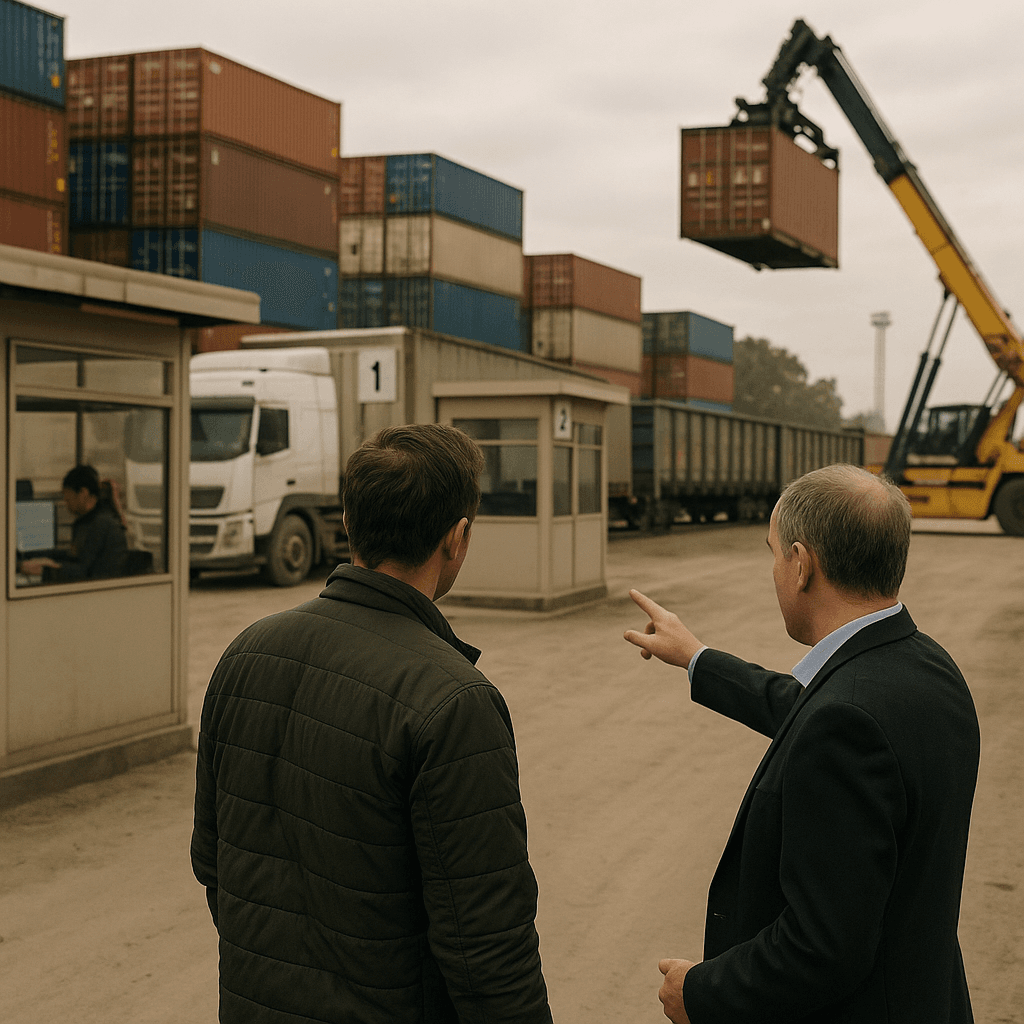
Iran is seeking new land routes for roughly 3,000 containers stranded in Pakistan, according to documents seen by Al Jazeera. The move matters because it shows how sanctions pressure is now reshaping physical trade corridors, not just shipping ledgers.
The deeper force is chokepoint risk. When sea cargo becomes politically vulnerable, states look for overland substitutes through neighboring countries, rail links, and trucking networks. That turns logistics into geopolitics, where border access, customs coordination, and transit security become instruments of state power.
– Winner: Regional transit states and logistics operators that can offer Iran alternative corridors.
– Loser: Maritime routes and port chains exposed to sanctions friction and enforcement pressure.
– What changes: Trade resilience shifts from cheapest route to survivable route.
Within months, expect more Iranian efforts to diversify cargo movements through mixed road and rail corridors across nearby states. If this accelerates, South and Central Asian transit politics will become more tightly linked to sanctions enforcement and regional bargaining.
So what does this mean for you? Supply chains facing sanctions, conflict, or political pressure will increasingly pay for redundancy over efficiency. Businesses exposed to cross-border trade should now treat route diversification as a core risk strategy, not a backup plan.
Subscribe for daily intelligence briefs →
—
*AI-assisted content. Reviewed by ShortBulletin Editorial Team. | shortbulletin.com*