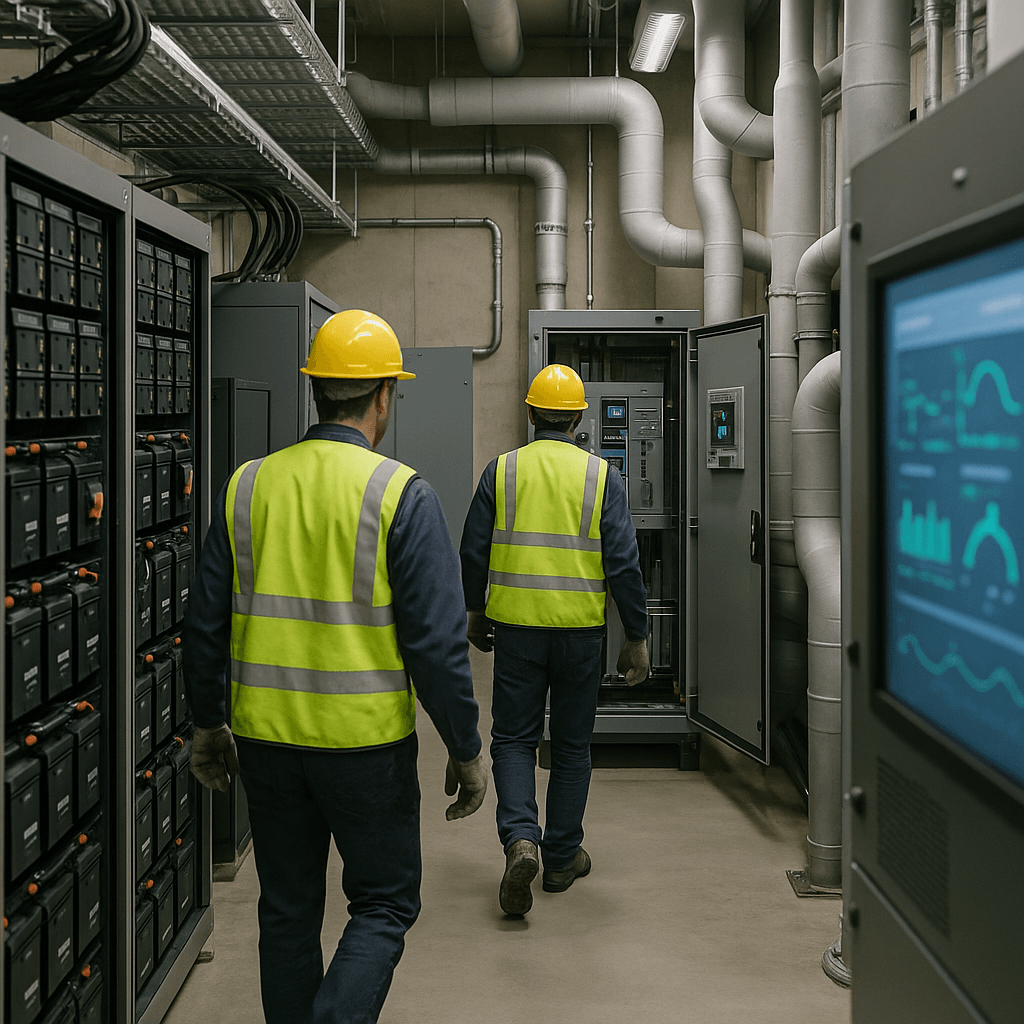
Data center developers are using a new playbook: combine battery storage with natural gas generation on site to get electricity faster than waiting for overloaded grids. For hyperscalers racing to expand AI capacity, speed now matters as much as megawatts.
The deeper force is grid congestion. Utilities in many markets cannot connect huge new loads quickly, while AI infrastructure demands dense, always-on power. By going behind the meter with gas plus batteries, operators can smooth demand, manage peaks, and shorten deployment timelines without waiting years for transmission upgrades.

– Winner: Hyperscalers and power equipment suppliers that can build private energy systems fast.
– Loser: Utilities and pure-grid connection models struggling with interconnection delays.
– What changes: Data centers become more like private power plants, not just large electricity customers.
Expect this model to spread through 2026, especially in North America, where AI buildouts are outrunning grid expansion. The next phase is likely hybridisation: gas for reliability, batteries for flexibility, and eventually cleaner fuels if regulation tightens.
So what does this mean for you? AI growth is no longer just a chips story; it is an energy infrastructure story with new winners across gas, storage, and power systems. If you track cloud, utilities, or industrial supply chains, watch who can deliver power fastest, not just cheapest.
Subscribe for daily intelligence briefs →
—
*AI-assisted content. Reviewed by ShortBulletin Editorial Team. | shortbulletin.com*